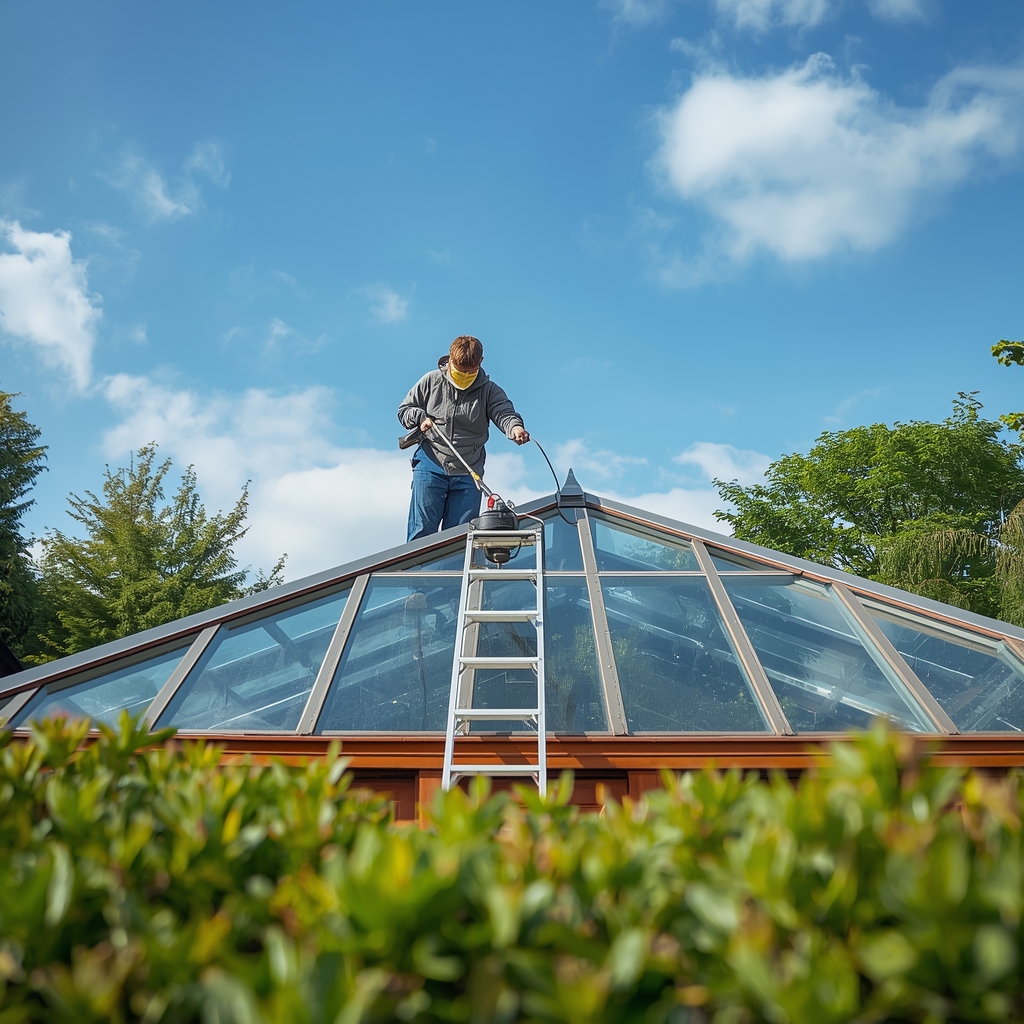
Purified water
De‑ionised water dries clear without soap residue — great for overhead glass.
Gentle cleaning for glass and polycarbonate roofs, frames and gutters.
Glass/polycarbonate panels, frames, seals and attached gutters
We provide conservatory roof cleaning in Monmouth County, NJ. Soft brushes, purified water and the right detergents lift algae and dirt without scratching delicate panels. Telescopic poles let us reach safely from the ground; we finish with a purified rinse for a streak‑free shine.
Got a specific panel problem or leak? We’ll advise if cleaning can help or if a repair is needed.
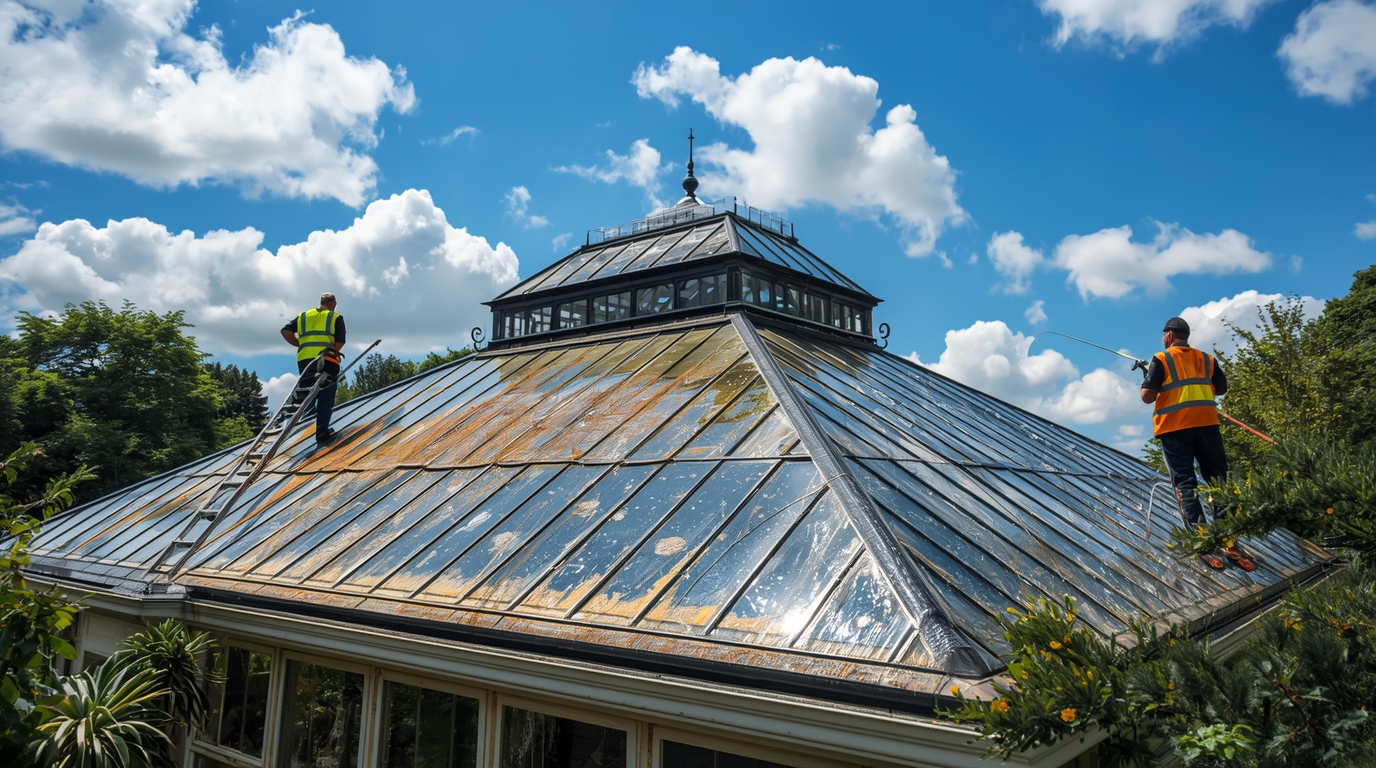
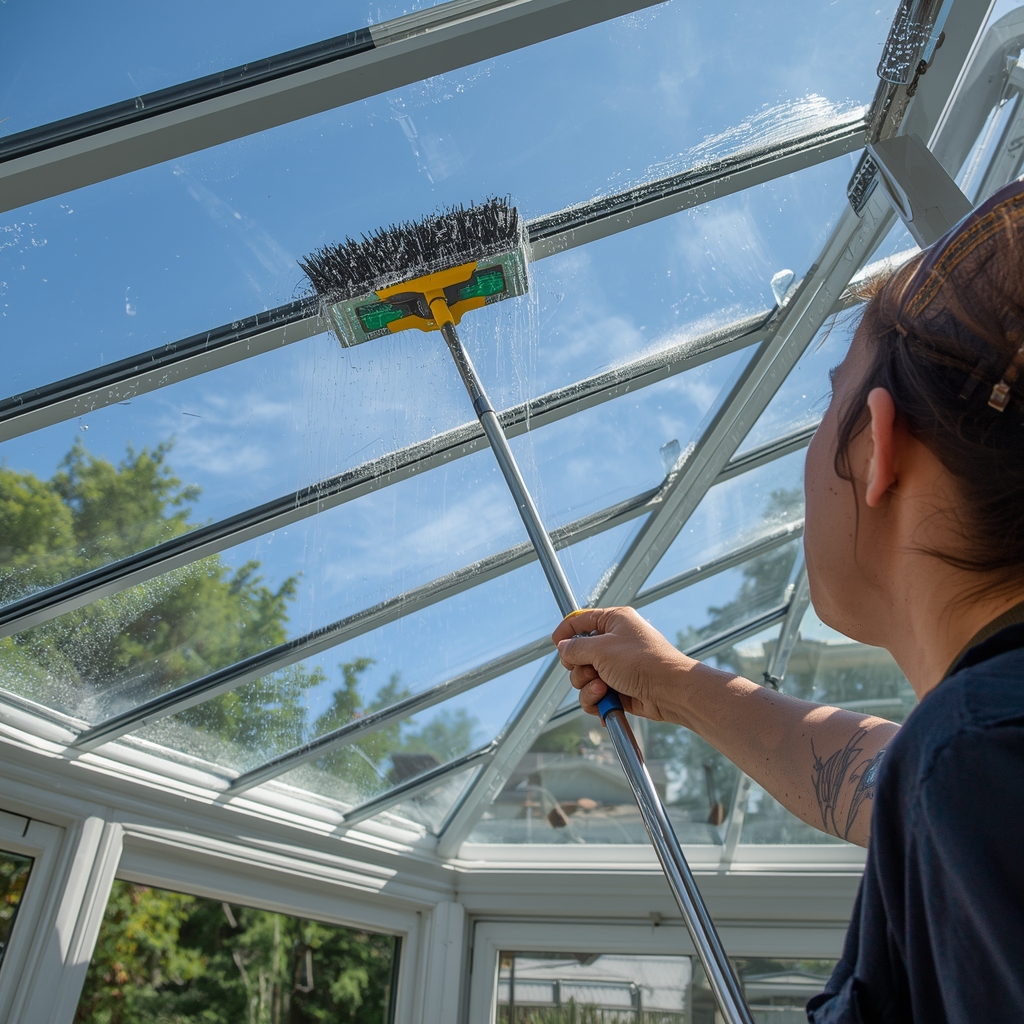
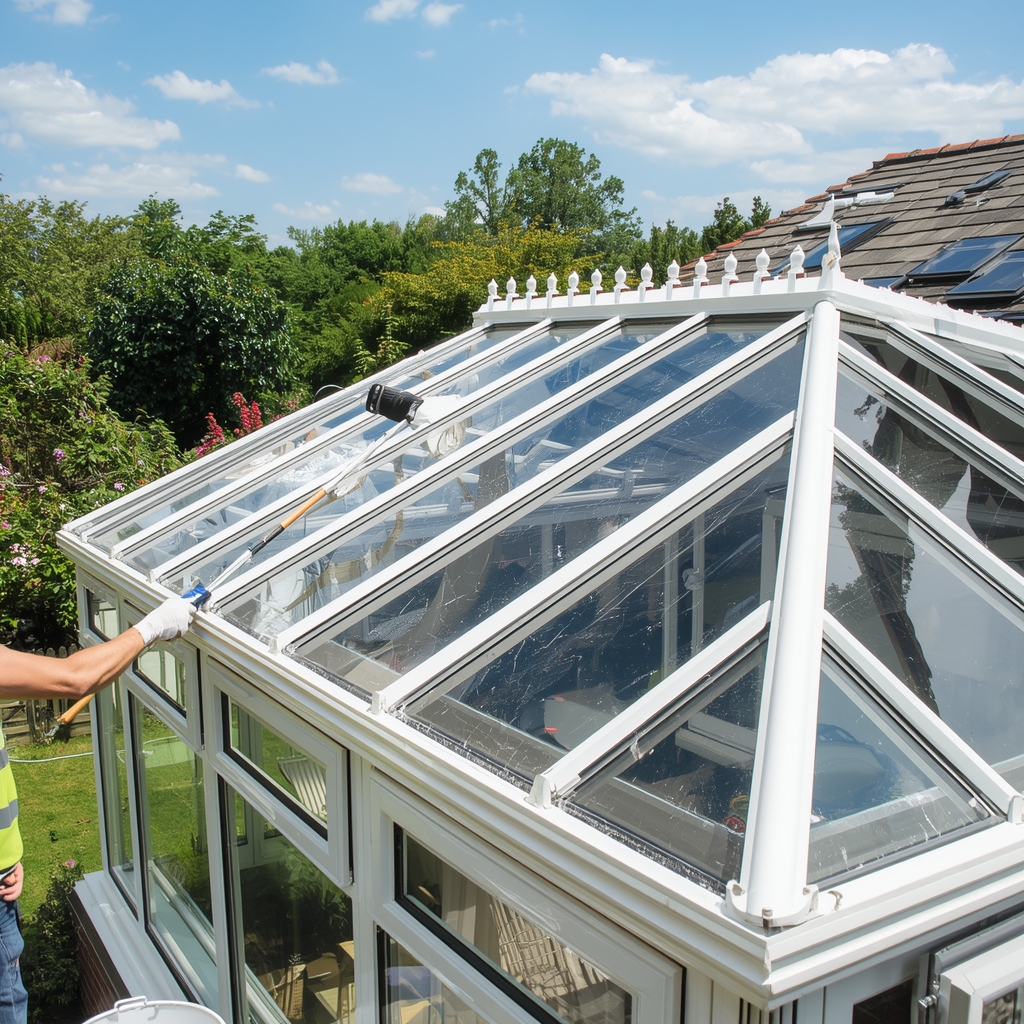
Safe for panels, spotless results and tidy work
De‑ionised water dries clear without soap residue — great for overhead glass.
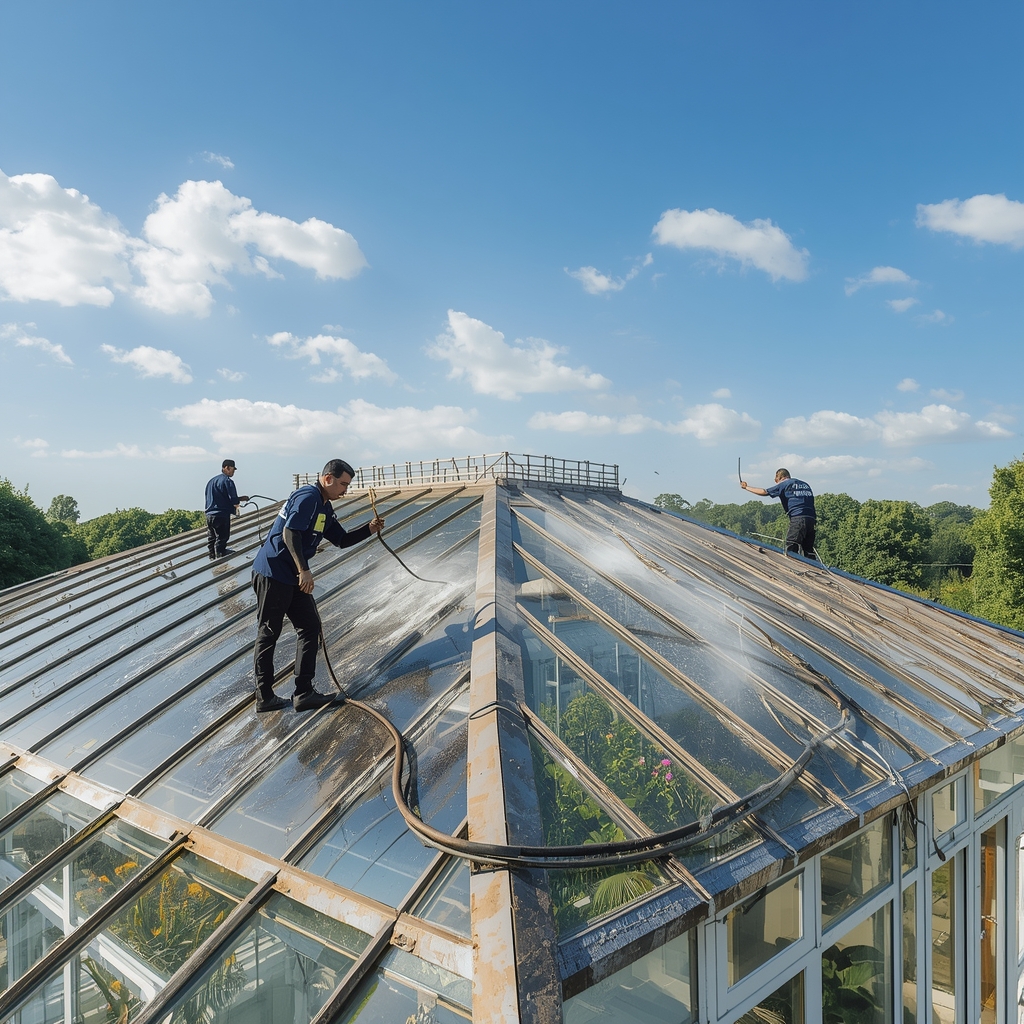
Soft bristles lift algae and dirt while protecting seals and coatings.
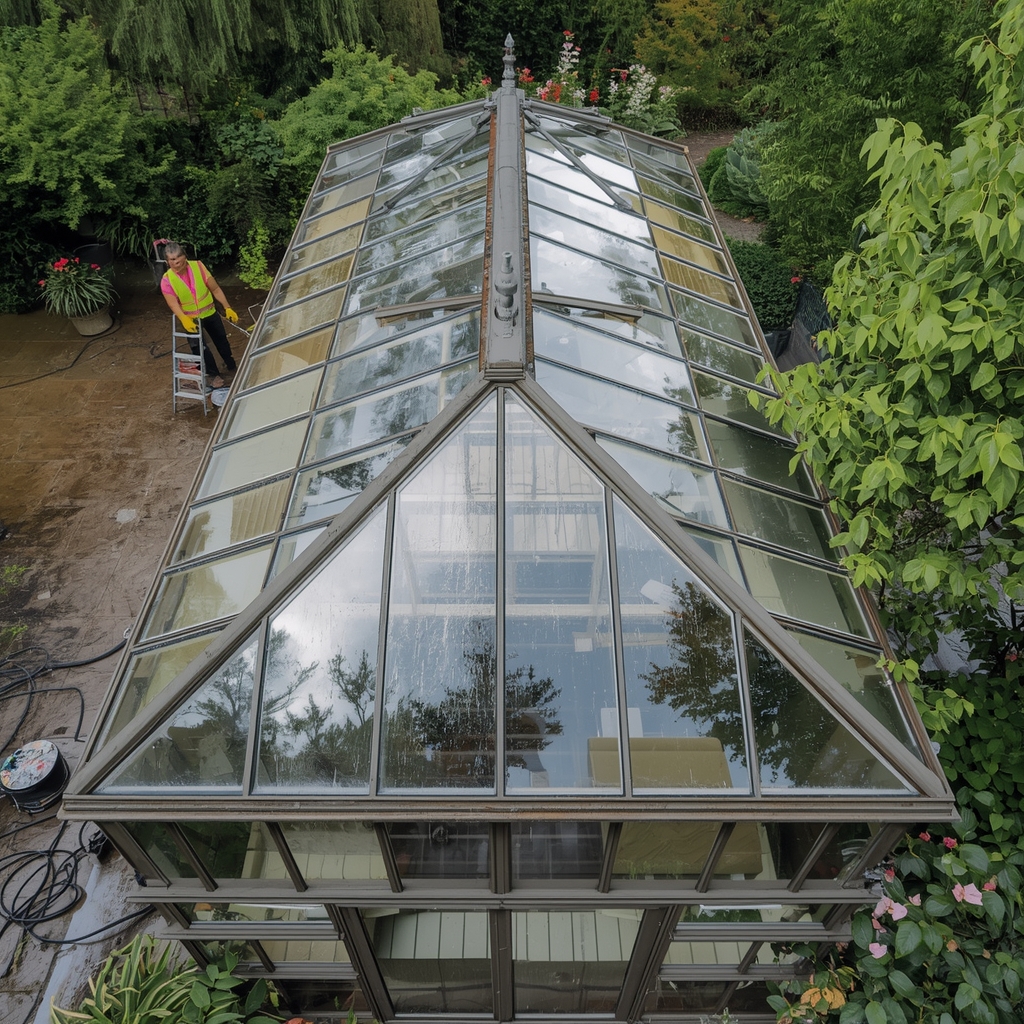
We rinse frames, wipe down splash marks and leave surrounding areas neat.
No — high-pressure washing on polycarbonate or glass conservatory panels risks cracking, scratching, and forcing water into the seals and joins. We use soft brushes and purified water at garden hose pressure, which lifts algae and dirt from the surface without any mechanical stress on the panels or gaskets. It's a safer, more effective method that leaves a spot-free result.
Conservatory roof cleaning in Monmouth County typically costs $150–$350 for a standard lean-to or Victorian conservatory, depending on size, panel condition, and access. Larger extensions or those requiring a water-fed pole extension for height will be at the higher end. Monmouth Outdoor Services provides free same-day quotes — call (732) 427-8821.
Algae grows on conservatory roof panels when moisture and organic debris accumulate in the channels and ridges between panels — particularly on north-facing roofs or those under tree canopy. In Monmouth County's humid summers, algae growth is rapid on both polycarbonate and glass. Beyond aesthetics, algae holds moisture at seals and ridge caps, which can cause premature seal deterioration.
Yes. We use soft natural-fibre brush heads and deionised water exclusively — no abrasive pads, no high pressure. The purified water system dries completely clear, leaving no mineral deposits or soap film that could dull the surface over time. This is the safest method for polycarbonate, which scratches more easily than glass.
Yes — frames, seals, and attached gutters are cleaned as part of the standard conservatory roof service. We rinse frames and wipe down any splash marks on surrounding paving when we're done. The attached gutters are cleared of moss and debris so water flows freely away from the structure. Interior glass cleaning is available on request.
Most conservatories in Monmouth County benefit from a professional clean once a year — typically in spring. Conservatories under mature trees or on north-facing aspects will accumulate algae faster and may benefit from a second clean in early fall. Regular cleaning also allows us to spot any developing seal or panel issues before they become expensive problems.