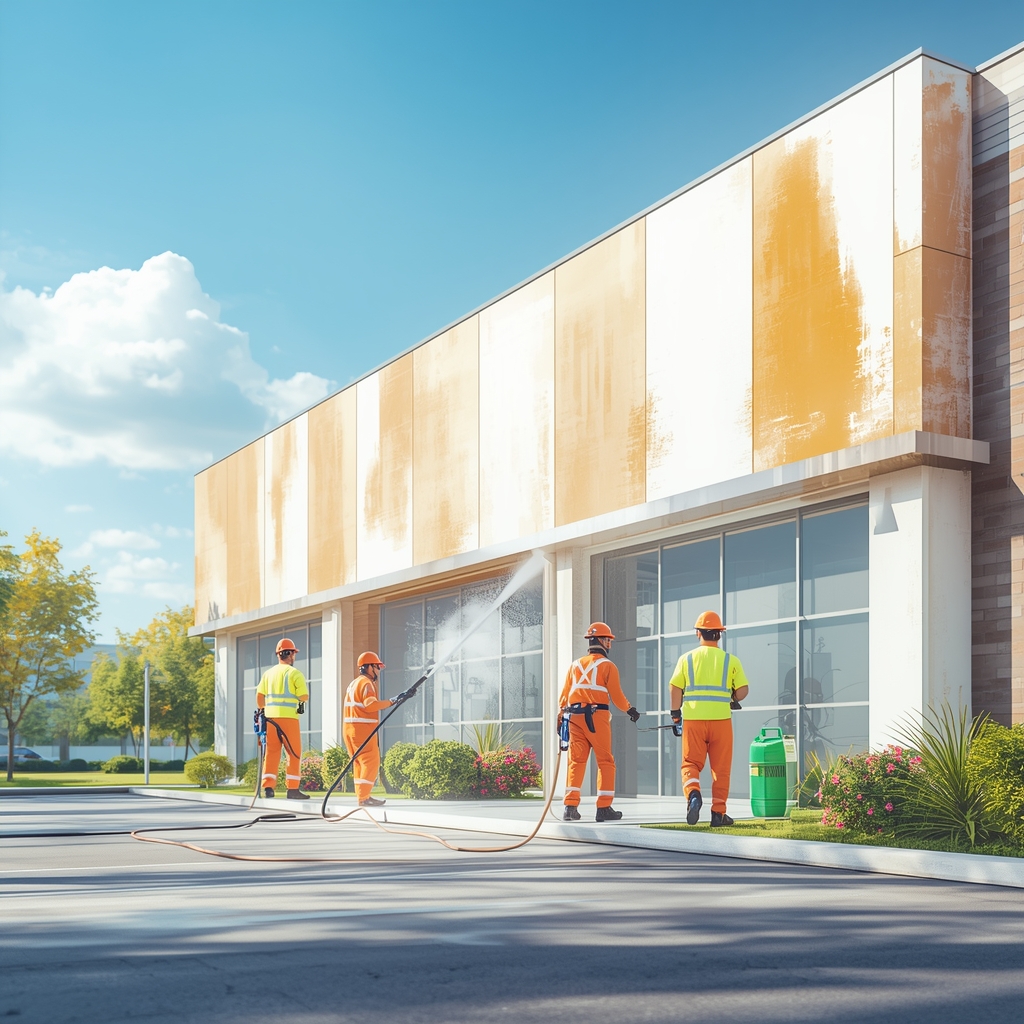
Protect the surface
Low pressure avoids pitting and loss of texture common with aggressive washing.
Remove algae and staining from render and delicate facades with low pressure.
Low pressure + the right chemistry = clean, protected render
We provide render cleaning and soft‑wash across Monmouth County, NJ. Pressure alone can damage render. We apply suitable biocides and detergents to break down growth, then rinse at low pressure for an even, residue‑free finish. The treatment also slows regrowth to keep walls looking better for longer.
We’ll test a small patch first and confirm runoff safety around plants and surfaces.
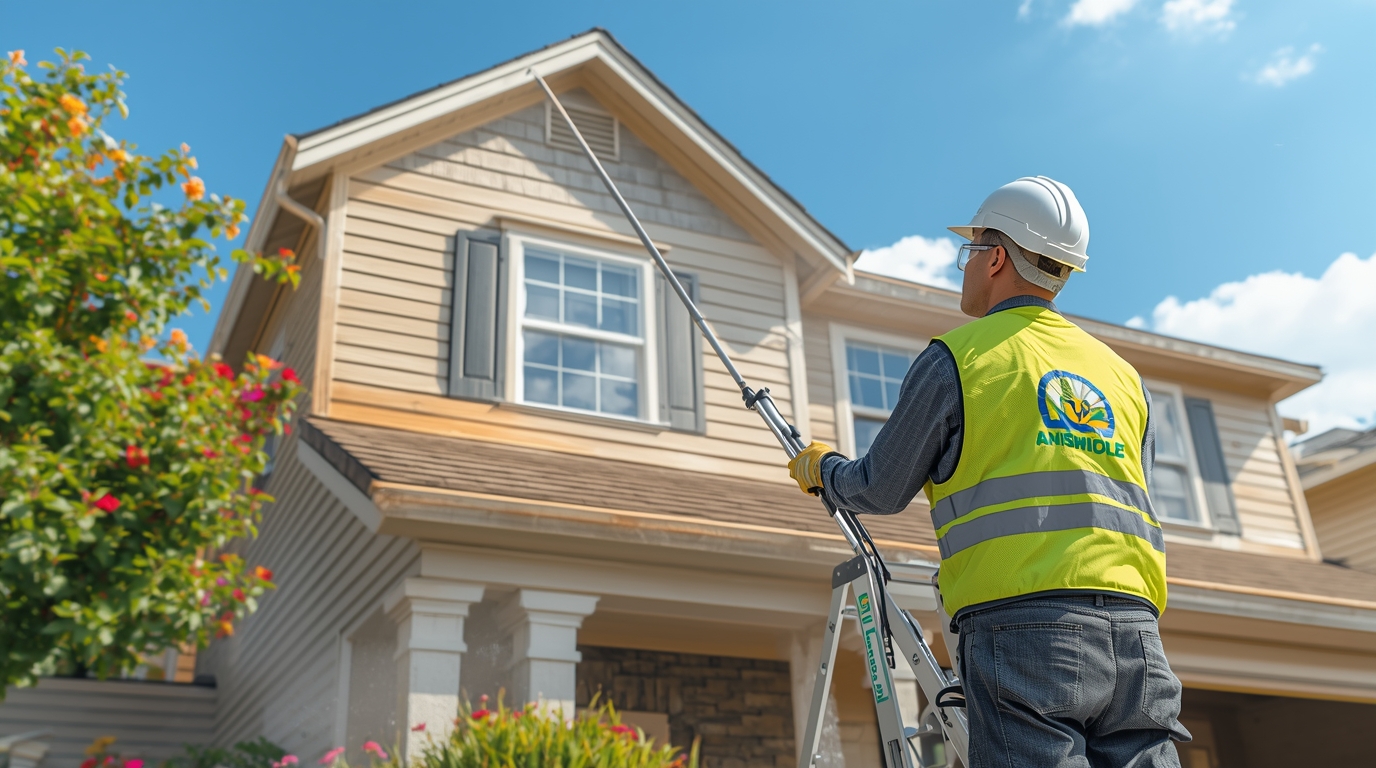
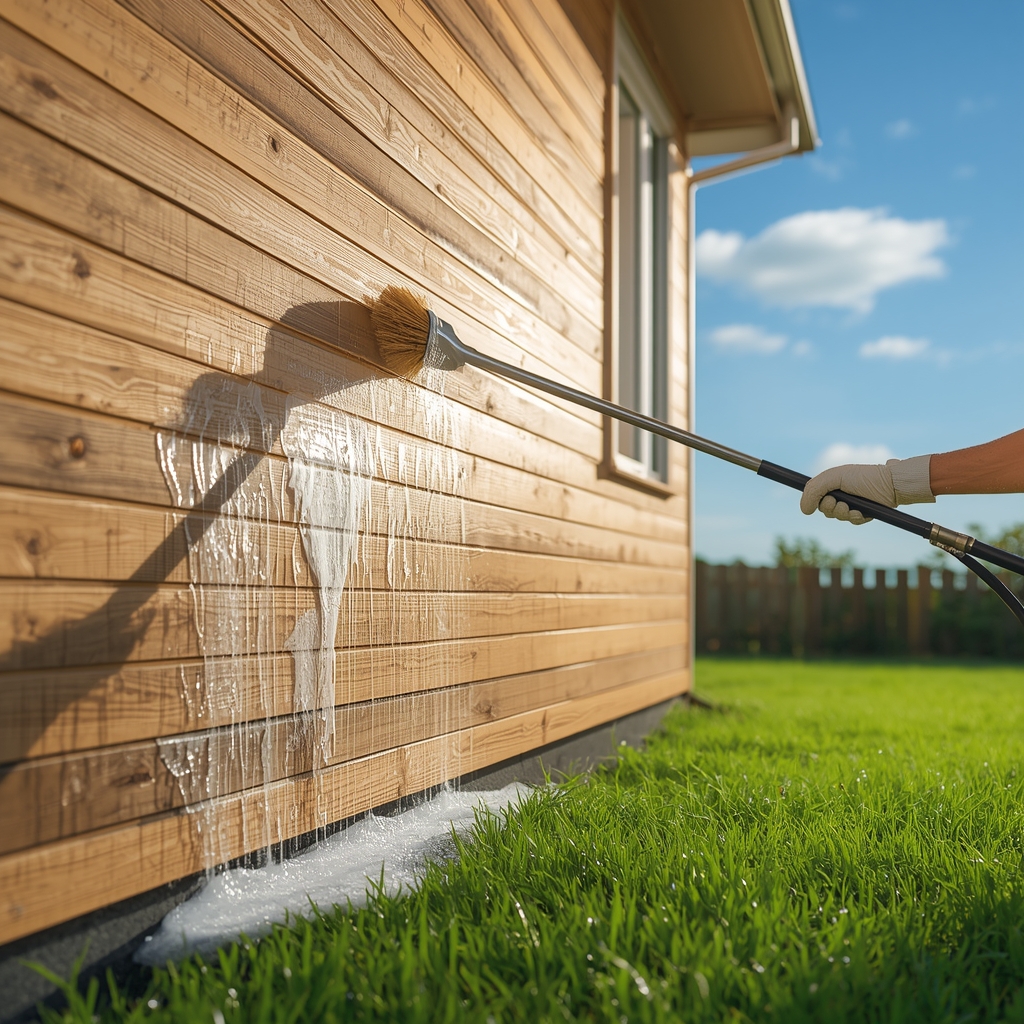
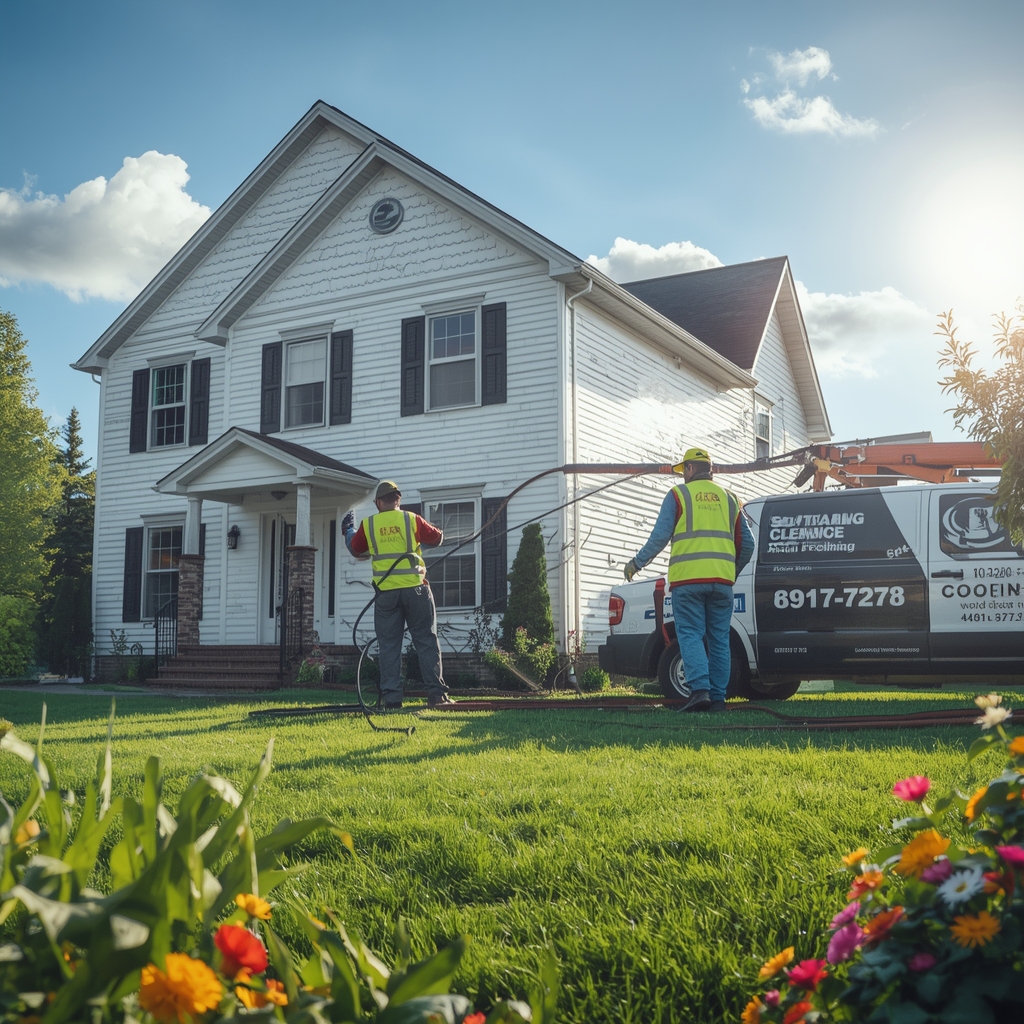
Safer for the surface, better long‑term results
Low pressure avoids pitting and loss of texture common with aggressive washing.
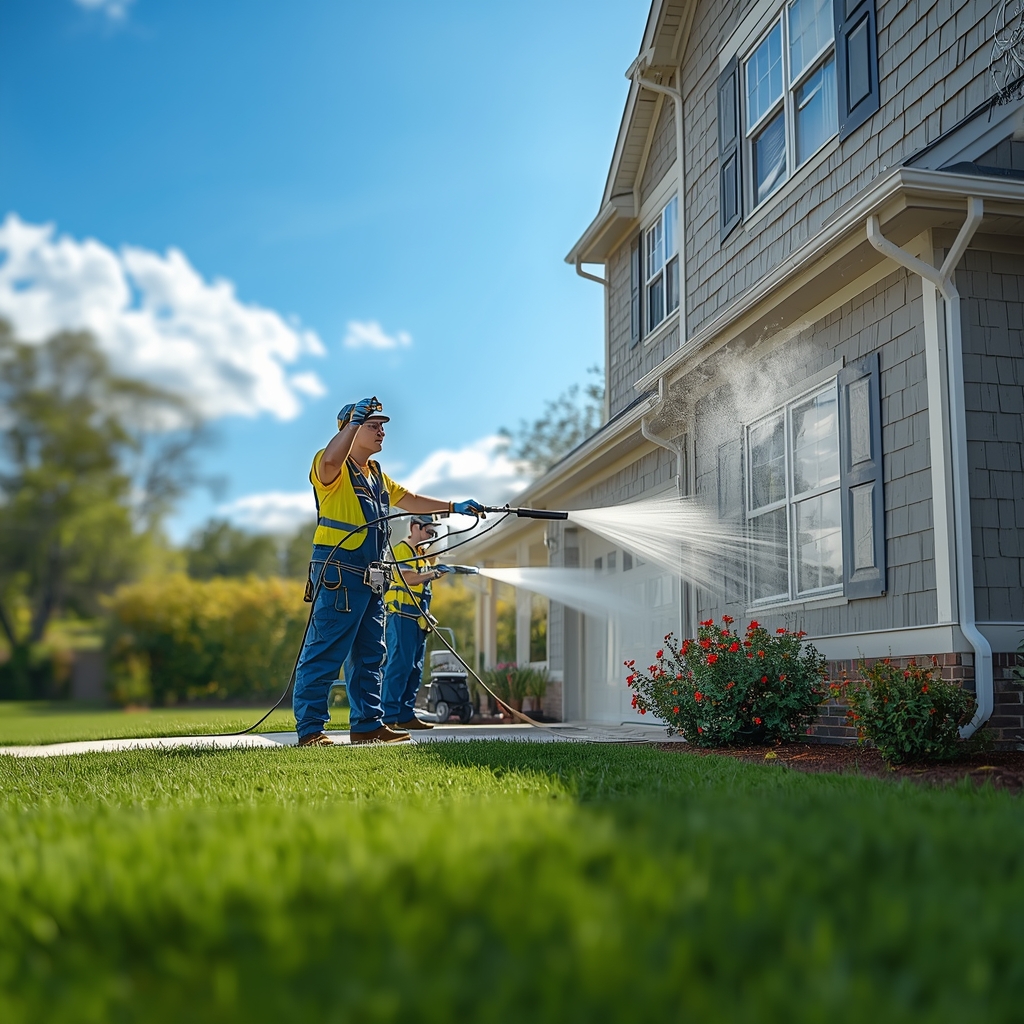
Biocides kill spores, slowing regrowth compared to pressure alone.
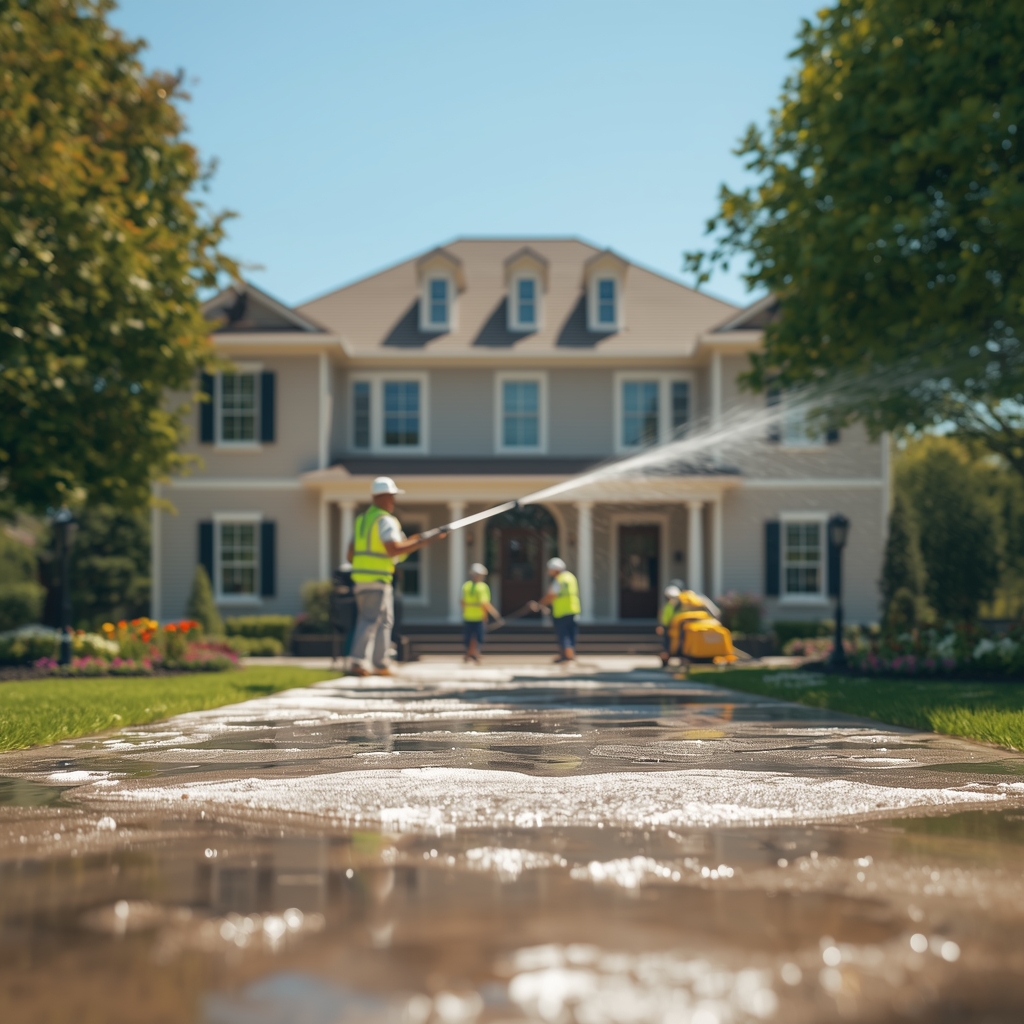
Large elevations blended for a consistent look without striping.
Soft washing uses low-pressure water — typically equivalent to a garden hose — combined with a biodegradable biocide or cleaning solution that breaks down algae, moss, and lichen at the molecular level. High pressure is never used on render because it can pit the surface, blow out the texture, and force water into hairline cracks — causing far more damage than the original staining. Soft washing cleans the surface safely and the biocide residue continues working for weeks afterward.
Green algae is the most common growth on render in Monmouth County — it thrives in shaded, north or east-facing conditions with consistent moisture. Black streaking is typically caused by cyanobacteria or manganese oxidation, and red-hue staining often comes from iron compounds in the render mix. These organisms don't just look bad — they hold moisture in the render surface, which accelerates frost damage and staining over time.
Yes — soft washing is specifically recommended for through-coloured renders like Monocouche and K-Rend, which are the most common textured renders in NJ new-builds and renovations. The key is matching the biocide to the surface and testing a small patch first to confirm no colour shift or surface change before treating the full elevation. We always perform a patch test before committing to the full job.
Render cleaning in Monmouth County typically costs $400–$1,200+ depending on the size of the property, number of elevations, severity of algae coverage, and whether a follow-up biocide treatment is included. Single-wall treatments for smaller properties can fall below that range. Monmouth Outdoor Services provides free photo-based quotes — send photos via (732) 427-8821.
Most properties see 2–4 years of clean appearance after a professional soft wash treatment in Monmouth County. Heavily shaded walls with consistent moisture will see regrowth faster than open, sun-facing elevations. A follow-up biocide treatment at 12–18 months can extend the result significantly without requiring a full re-clean.
We pre-water surrounding beds before applying biocides and manage runoff carefully to prevent concentrated product from pooling near root zones. Most professional-grade biocides used in soft washing are biodegradable and break down quickly once diluted. We'll discuss the runoff management plan with you during the assessment if you have sensitive planting close to treated walls.
Even blending of large elevations is one of the most important technical aspects of render cleaning. We apply the biocide from top to bottom and rinse in the same direction to avoid tidemarks. For heavily patchy surfaces, we may apply a second pass to the worst sections. We finish with a low-pressure rinse to ensure no residue line is left at the edges of the treated area.
Yes — vinyl siding and PVC-clad exteriors respond well to soft washing. We use a low-pressure application with a vinyl-safe biocide solution to remove algae, mold, and green staining from the panel surface and channels. High-pressure washing on vinyl risks buckling panels, forcing water behind the cladding into the wall cavity, and voiding installation warranties. Most vinyl-sided homes in Monmouth County stay clean for 2–3 years after a proper soft wash treatment.
A biocide is a professionally formulated active agent that kills algae, moss, mold, and lichen at the cellular level. Sodium hypochlorite (household bleach) is sometimes used in DIY soft washing but carries higher risk of surface damage, discolouration on certain render types, and runoff impact on plants and grass. Professional biocides are engineered for exterior cleaning, are biodegradable, and break down safely after application. We pre-water surrounding plantings before applying any treatment, manage runoff, and use concentrations calibrated for the surface. Once dry, treated surfaces are safe for family and pets.
Yes — fabric and aluminium awnings can be soft washed as part of an exterior cleaning appointment. Fabric awnings are treated with a low-pressure application using an awning-safe detergent formulated not to damage the coating or cause colour bleed. Aluminium frame awnings are cleaned with a mild detergent rinse. We confirm the fabric type before applying any product. Contact us at (732) 427-8821 to include awnings in an exterior clean.
Yes — we work with property management companies and HOAs across Monmouth County for scheduled exterior cleaning of multi-unit residential properties, common areas, building exteriors, walkways, and parking structures. We offer maintenance contracts with set visit schedules, combined service appointments, and consistent invoicing to simplify the process. Call (732) 427-8821 to discuss a contract arrangement for your properties.
Render is an exterior wall coating applied over masonry — typically a mix of cement, sand, and additives — used to weatherproof and finish exterior walls. Common render types in Monmouth County new-builds include Monocouche (a through-coloured single-layer product) and K-Rend. Render gets dirty faster than brick because the textured surface traps organic matter and moisture, and the alkaline chemistry of cement-based renders is a favourable environment for algae and mold growth. NJ's humid summers accelerate this significantly, and north or east-facing walls that don't dry out fully between weather events will show algae within 18–24 months of a new application.