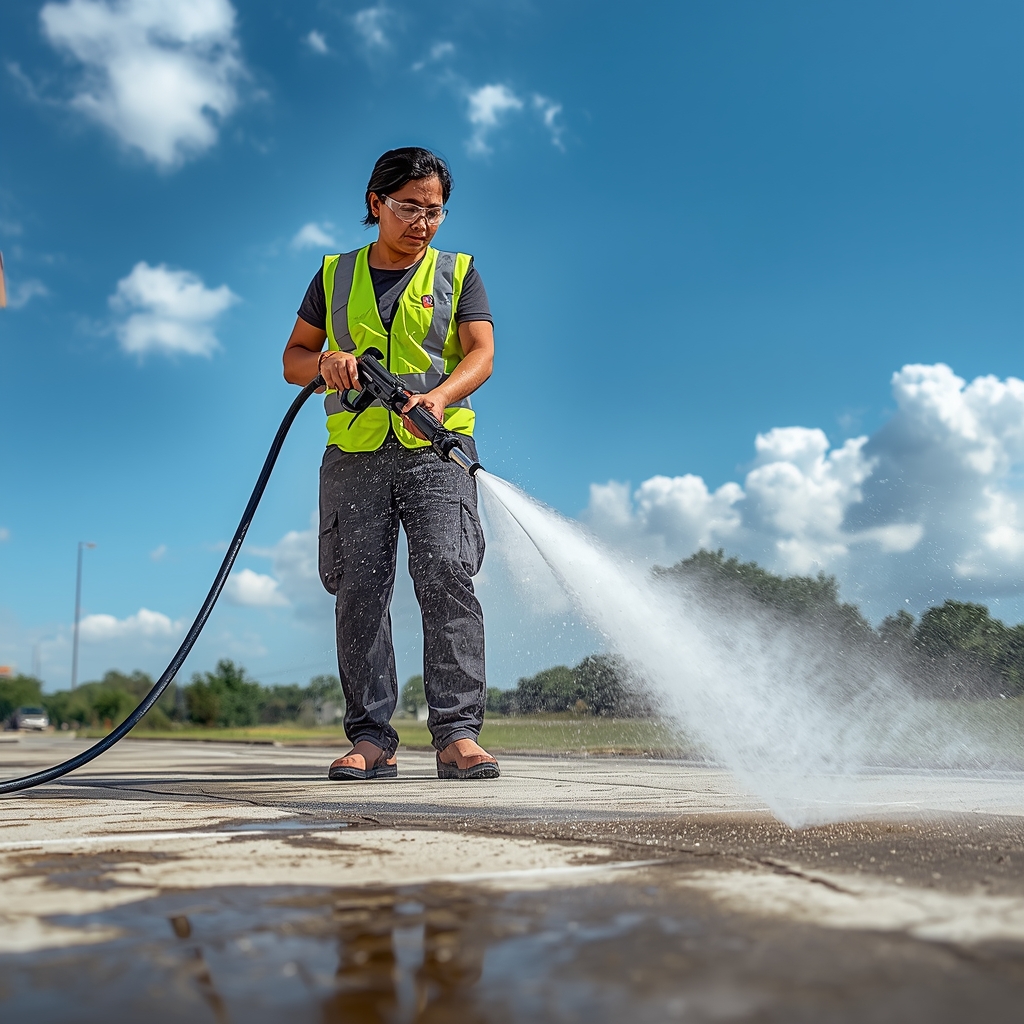
If you’re scheduling power washing in Monmouth County, NJ (driveway, patio, siding, walkways), a little preparation helps us work faster and protects your property. This checklist covers what to move, what to cover, and what to expect on wash day.
Before we arrive (10–20 minutes)
- Clear access: move cars, bins, toys, and small furniture away from the work area and water paths.
- Close windows & doors (including basement windows). If you have window A/C units, mention it in your notes.
- Pick up fragile items: décor, doormats, planters, and anything that can tip or scratch.
- Protect outdoor power: let us know about exterior outlets, cameras, and low fixtures. (We work around them, but it helps to point them out.)
- Pets & kids: keep them away from hoses and the work zone for safety.
Landscaping & delicate areas
Most homes have sensitive spots (fresh paint, loose caulk, older wood, delicate plants). If you’re unsure, tell us—power washing is not “one setting fits all.” We adjust pressure and methods based on the surface.
- Plants: trim back branches touching siding and flag any fragile landscaping.
- Outdoor cushions: bring them inside or cover them.
- Doors & seals: if a door seal is already worn, note it so we can avoid direct spray.
What to expect on wash day
- Water use: you’ll hear continuous water flow while we’re washing surfaces.
- Noise: equipment noise is normal—especially for driveway and concrete work.
- Results: most organic staining (algae/mildew) lifts well; deep rust or old oil stains may improve but sometimes need additional treatment.
After the wash
- Let surfaces dry before placing furniture back (especially on wood decking).
- Check walkways: freshly cleaned concrete can be slick while wet.
- Ask about maintenance: we can recommend a schedule that fits your home and shade exposure.
Next steps
If you want a fast quote, send the service type and a couple photos. For delicate surfaces, we may recommend soft washing rather than high pressure.